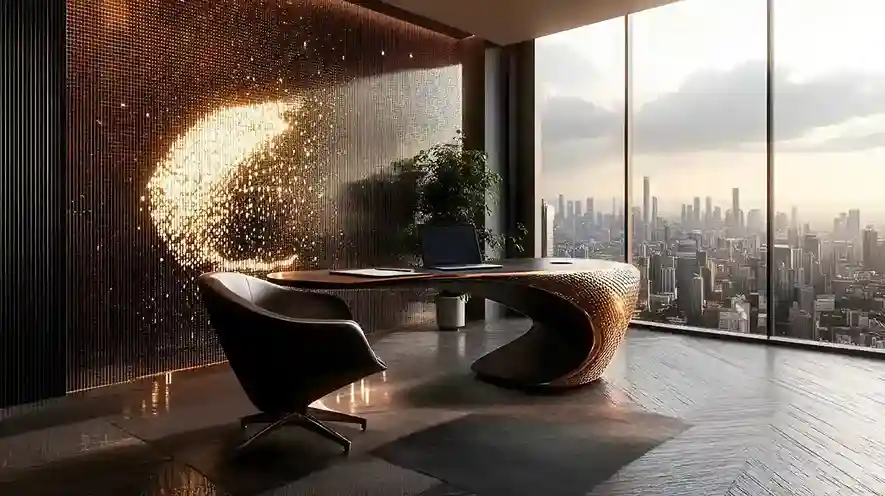
Many homeowners and business owners assume that investing in premium interiors automatically guarantees a stunning space. Imported marble, designer furniture, statement lighting, and curated décor often promise luxury—but surprisingly, many of these spaces still feel incomplete. The ambience falls flat. Something feels off, yet it’s difficult to identify what exactly is missing.
The truth is simple: premium interiors alone cannot create a cohesive environment. Ambience is not built through expensive materials—it is shaped through thoughtful architectural planning. Without a strong structural foundation, even the most luxurious interiors struggle to deliver comfort, flow, and emotional appeal.
This is where working with an experienced architecture firm in Dubai becomes essential. At Meraia Concepts, we believe that ambience begins long before the first sofa is selected or the walls are painted.
Let’s explore why ambience often fails—and how the right architectural approach prevents it.
Ambience Is About Experience, Not Just Appearance
When people enter a well-designed space, they immediately feel something. It could be calmness, warmth, inspiration, or sophistication. That emotional reaction is not accidental—it is the result of precise spatial planning.
Premium interiors tend to focus heavily on aesthetics. While visuals matter, ambience depends on deeper design elements such as:
- Spatial proportions
- Ceiling height
- Natural light flow
- Circulation paths
- Acoustic comfort
- Functional zoning
If these architectural factors are overlooked, the result is a space that looks impressive in photos but feels uncomfortable in daily use.
For example, a living room filled with high-end furniture may still feel cramped if the layout restricts movement. Similarly, a luxury office may appear elegant but become exhausting to work in if lighting and acoustics are poorly planned.
Great ambience is never surface-level—it is built into the bones of the space.
The Hidden Problem: Designing Backwards
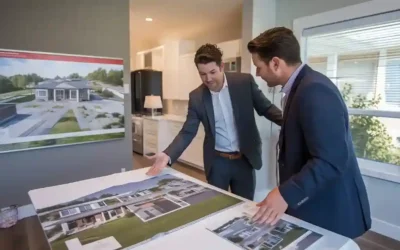
One of the most common mistakes property owners make is starting with interiors before finalizing architectural decisions.
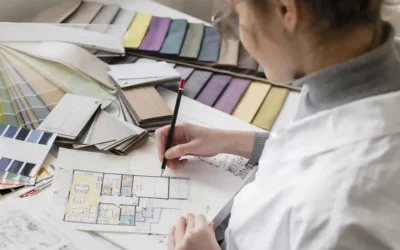
They choose finishes first.
They select furniture early.
They follow design trends.
But without a structural vision, these choices often clash with the space itself.
Architecture should guide interiors—not the other way around.
At Meraia Concepts, our process begins with understanding how the space should function and feel over time. Through our comprehensive architecture design services, we ensure that every design decision supports a unified spatial experience rather than becoming an afterthought.
When architecture leads the process, interiors naturally align—and ambience becomes effortless.
Lighting Can Make or Break a Space
Lighting is one of the most underestimated contributors to ambience. Even premium interiors lose their charm under harsh artificial lighting or poorly positioned fixtures.
Architectural planning determines:
- Window placement for balanced daylight
- Ceiling designs that support layered lighting
- Shadow control
- Visual depth
Without these considerations, spaces often feel flat regardless of how expensive the décor may be.
As a best architectural design studio, Meraia Concepts integrates lighting strategy at the earliest design stage. This ensures that both natural and artificial light enhance textures, highlight focal points, and create mood throughout the day.
Good lighting does not just illuminate a room—it transforms how the space is perceived.
Flow Matters More Than Furniture
Have you ever walked into a beautifully decorated home that somehow felt inconvenient? Perhaps pathways were tight, furniture blocked movement, or rooms felt disconnected.
That is a flow problem—not an interior problem.
Ambience thrives when movement feels intuitive. People should be able to navigate a space without thinking about it.
Architectural planning focuses on:
- Logical transitions between rooms
- Clear sightlines
- Balanced openness and privacy
- Functional zoning
For instance, positioning social areas away from private zones dramatically improves comfort. Similarly, aligning indoor and outdoor spaces enhances spaciousness without increasing square footage.
Remember: no amount of designer furniture can compensate for poor spatial organization.
Acoustics — The Luxury Element No One Talks About
Imagine a luxury dining area where conversations echo. Or a high-end office where noise constantly travels between rooms.
Discomfort like this quietly erodes ambience.
Acoustic planning is rarely considered during interior selection, yet it plays a powerful role in how spaces feel.
Architectural strategies such as:
- Material layering
- Ceiling treatments
- Wall positioning
- Spatial buffering
can significantly reduce unwanted noise.
At Meraia Concepts, delivering the best architectural services means designing environments that engage all senses—not just sight.
Because true luxury is experienced in comfort.
Scale and Proportion Define Sophistication
Oversized chandeliers in low ceilings. Bulky furniture in compact rooms. Minimal décor in vast halls.
These mismatches instantly disrupt ambience.
Architecture establishes the correct proportions before interiors enter the picture. It ensures that every design element belongs within the spatial context.
When scale is right, spaces feel naturally elegant rather than forced.
This is particularly important in Dubai, where modern properties often combine large footprints with ambitious interior concepts. Without architectural guidance, it is easy for grandeur to turn into visual chaos.
Proportion is what separates “expensive-looking” from genuinely refined.
Why Architecture Creates Emotional Connection
People often describe certain spaces as calming, inspiring, or welcoming. That emotional connection is rarely created by décor alone.
It emerges from thoughtful architectural decisions such as:
- Framing outdoor views
- Maximizing natural airflow
- Creating double-height moments
- Designing intentional focal points
These features shape how people interact with a space daily.
Premium interiors can impress guests—but architecture supports lifestyles.
Through our integrated <a href=”https://meraiaconcepts.com/interior-architecture/”>interior architecture expertise</a>, Meraia Concepts designs spaces that feel as good as they look.
Because the ultimate goal is not visual impact—it is livability.
The Costly Myth: Expensive Equals Effective
Many property owners believe that increasing their interior budget will automatically fix design problems.
Unfortunately, money cannot resolve foundational flaws.
In fact, attempting to correct architectural oversights later often leads to:
- Costly renovations
- Structural modifications
- Design compromises
- Project delays
Engaging architects early prevents these setbacks while protecting your investment.
The smartest projects are not always the most expensive—they are the most strategically planned.
Build Ambience From the Ground Up
If your goal is to create a space that feels luxurious, functional, and timeless, the solution is not simply upgrading materials. It is strengthening the architectural vision behind them.
Whether you are designing a new property, renovating a villa, or transforming a commercial space, starting with the right architectural partner changes everything.
Premium interiors should enhance a space—not struggle to define it.
If you are planning a project and want to avoid the hidden mistakes that weaken ambience, now is the time to consult with experts who understand the full picture.
Visit Meraia Concepts to explore our architecture services and discover how thoughtful design can elevate not just your interiors—but your entire spatial experience.